References
Coomes, P. (2014) Faces of the floods, BBC News. Available at: https://www.bbc.co.uk/news/in-pictures-26270755 (Accessed: 05 November 2026).
Aduranel and Loddon Observatory (2019) Loddon Observatory. Available at: https://loddonobservatory.wordpress.com/ (Accessed: 05 November 2026).
(2019) Flood alert: River loddon bursts banks at Winnersh, Swallowfield residents urged to move possessions. Available at: https://wokingham.today/tag/flooding-winnersh/ (Accessed: 05 November 2026).
UK river levels map – live monitoring of 3319+ stations (no date) FloodRadar. Available at: https://www.floodradar.co.uk/#z=11&c=51.4304,-0.8760 (Accessed: 05 November 2026).
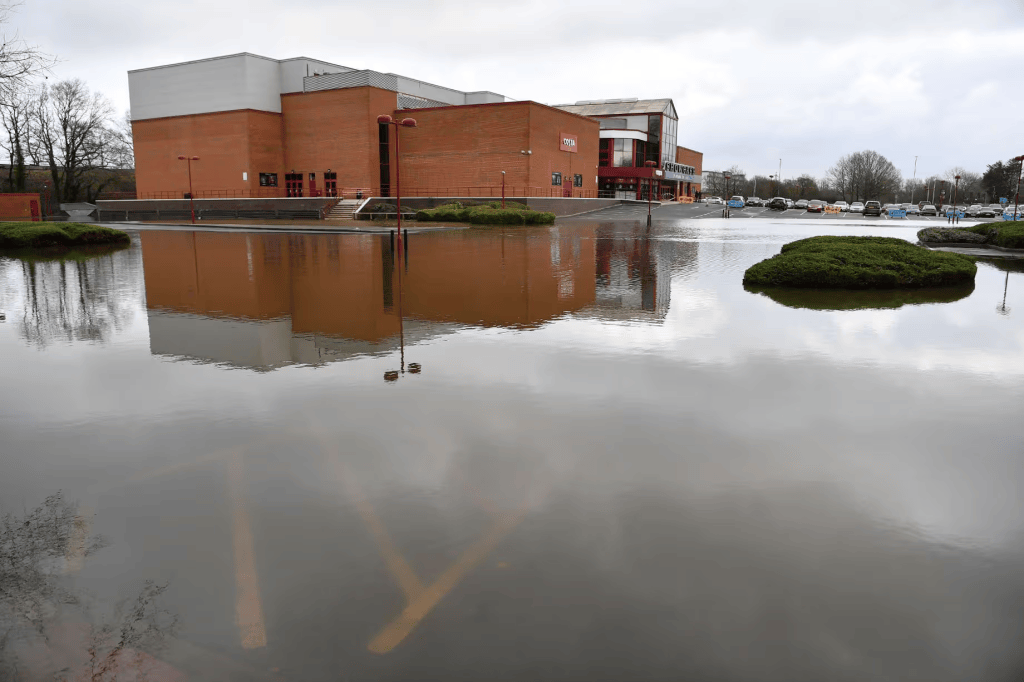
Roberts, H. (2023, January 16). Berkshire cinema car park hit by flooding as alerts remain in force. Berkshire Live. https://www.getreading.co.uk/news/reading-berkshire-news/gallery/winnersh-car-park-showcase-cinema-25988391
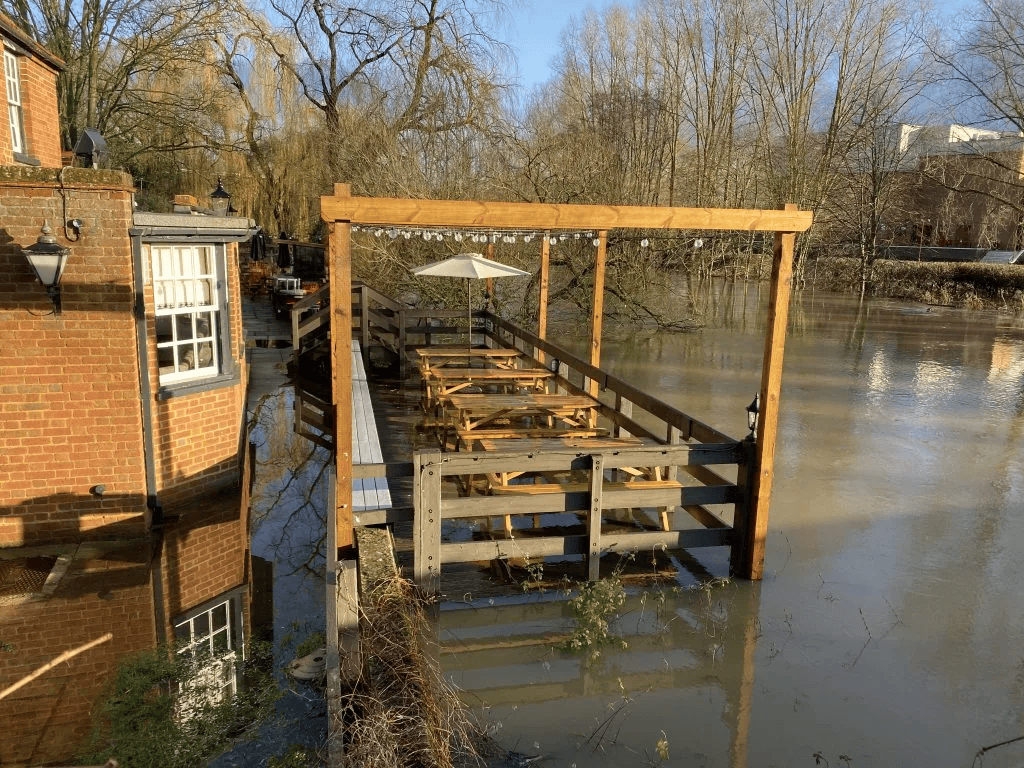
Creighton, P. (2019, December 21). Flood alert: River loddon bursts banks at Winnersh, Swallowfield residents urged to move possessions. Wokingham.Today. https://wokingham.today/flood-alert-river-loddon-bursts-banks-at-winnersh-swallowfield-residents-urged-to-move-possessions/
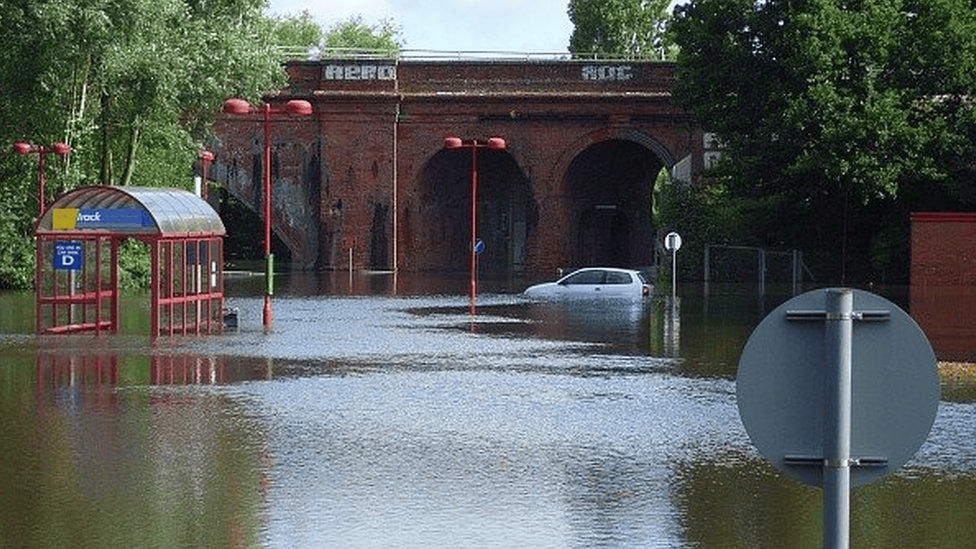
New Park and ride for reading in operation. (2015, October 26). BBC News. https://www.bbc.co.uk/news/uk-england-berkshire-34626113
Summary of The Loddon Drainage Association
This article examines how landowners in the River Loddon catchment area of Hampshire, Berkshire, and Surrey took control of a post-First World War drainage scheme that had originally been intended to operate under a government-backed drainage board.
The author argues that influential landowners successfully resisted a formal state-controlled drainage board established under the Land Drainage Act 1918. Instead, they created and managed their own voluntary organisation, the Loddon Drainage Association (LDA), allowing them to retain local control and minimise the financial burden that would otherwise have fallen on landowners.
The article concludes that the LDA demonstrates the continuing influence of large landowners and their professional estate agents in rural England after the First World War. Although often portrayed as a period of aristocratic decline, the case shows that landowners could still shape public policy and local governance. They successfully redirected a government initiative into a locally controlled scheme that reduced their own financial liabilities while still benefiting from substantial public funding.
One-sentence takeaway: The article uses the Loddon Drainage Association as a case study to show how powerful landowners after WWI resisted government control, captured a local drainage project, and used public funding to improve their estates while limiting their own costs.


Leave a Reply